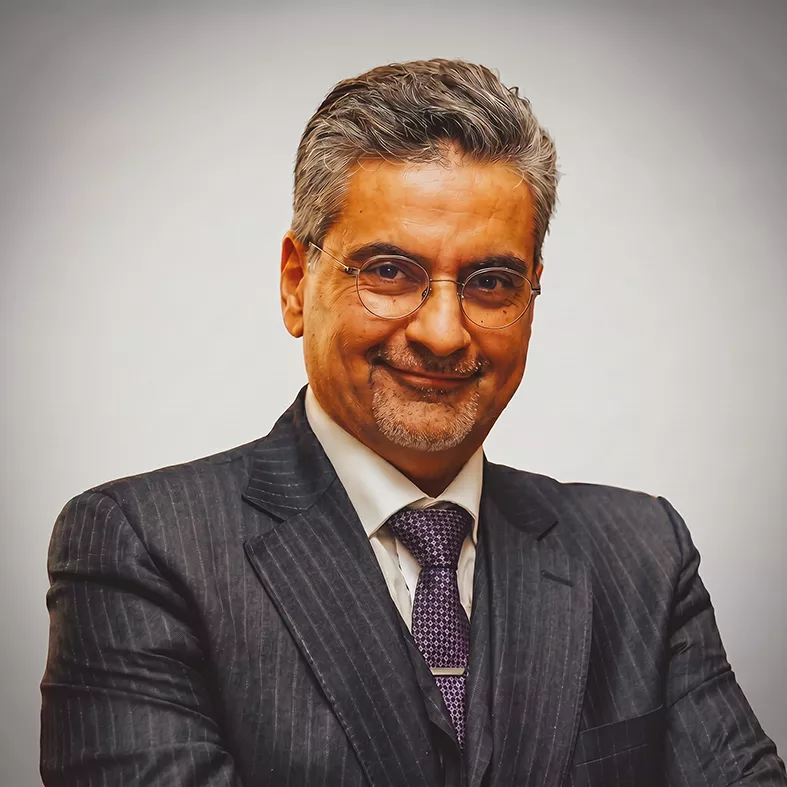
On the occasion of Logismed 2026, Karim Lahmamssi, CEO of ALF Holding — bringing together its subsidiaries TST and TRO-DSV — discusses how the Group is adapting its capabilities, services, and organization to meet the evolving demands of transportation, freight forwarding, and industrial logistics in Morocco.
How would you define the current positioning of ALF Holding through its subsidiaries TST Morocco and TRO-DSV?
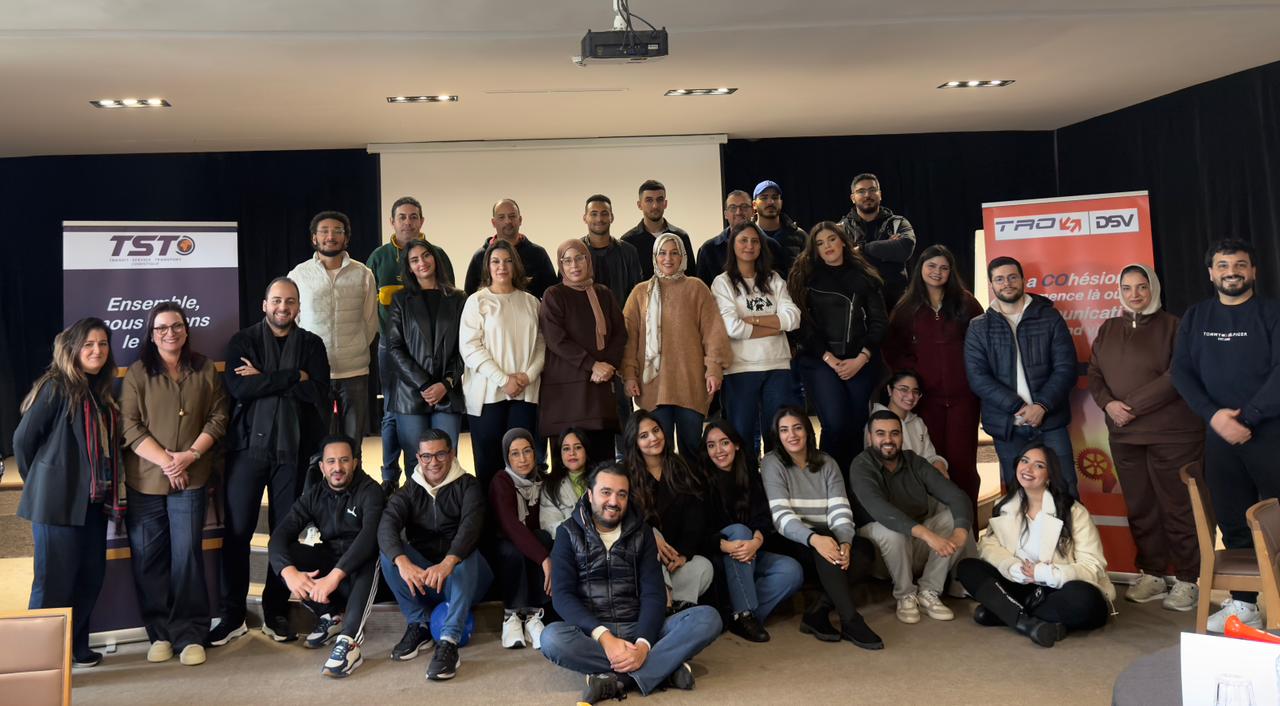
ALF Holding is built on more than 50 years of experience in Morocco and today employs over 250 experienced professionals. The Group relies on two complementary entities, TST Morocco and TRO-DSV, which provide freight forwarding, international air, sea, and road transportation, as well as logistics services. TRO-DSV also benefits from its status as the exclusive strategic partner of DSV in Morocco for air and sea freight activities. This organization enables us to manage the entire logistics chain from end to end, with the same commitment to operational excellence, traceability, and reliability.
What capabilities currently set your Group apart in the Moroccan logistics market?
Our greatest strength is our people. Logistics is a service-driven industry, and the quality of execution depends first and foremost on the men and women behind it. We continuously invest in training and professional development to enhance their expertise. This know-how is complemented by a nationwide logistics infrastructure, a network of bonded warehouses located at ports and airports—including a new facility at Casablanca Mohammed V Airport—and extensive expertise in customs procedures. TST has also been the leading air freight shipper with Royal Air Maroc in recent years, reflecting both the scale of our operations and our operational reliability.
What does the expansion of your Sapino warehouse represent in your journey toward 100,000 m² of logistics capacity by 2030?
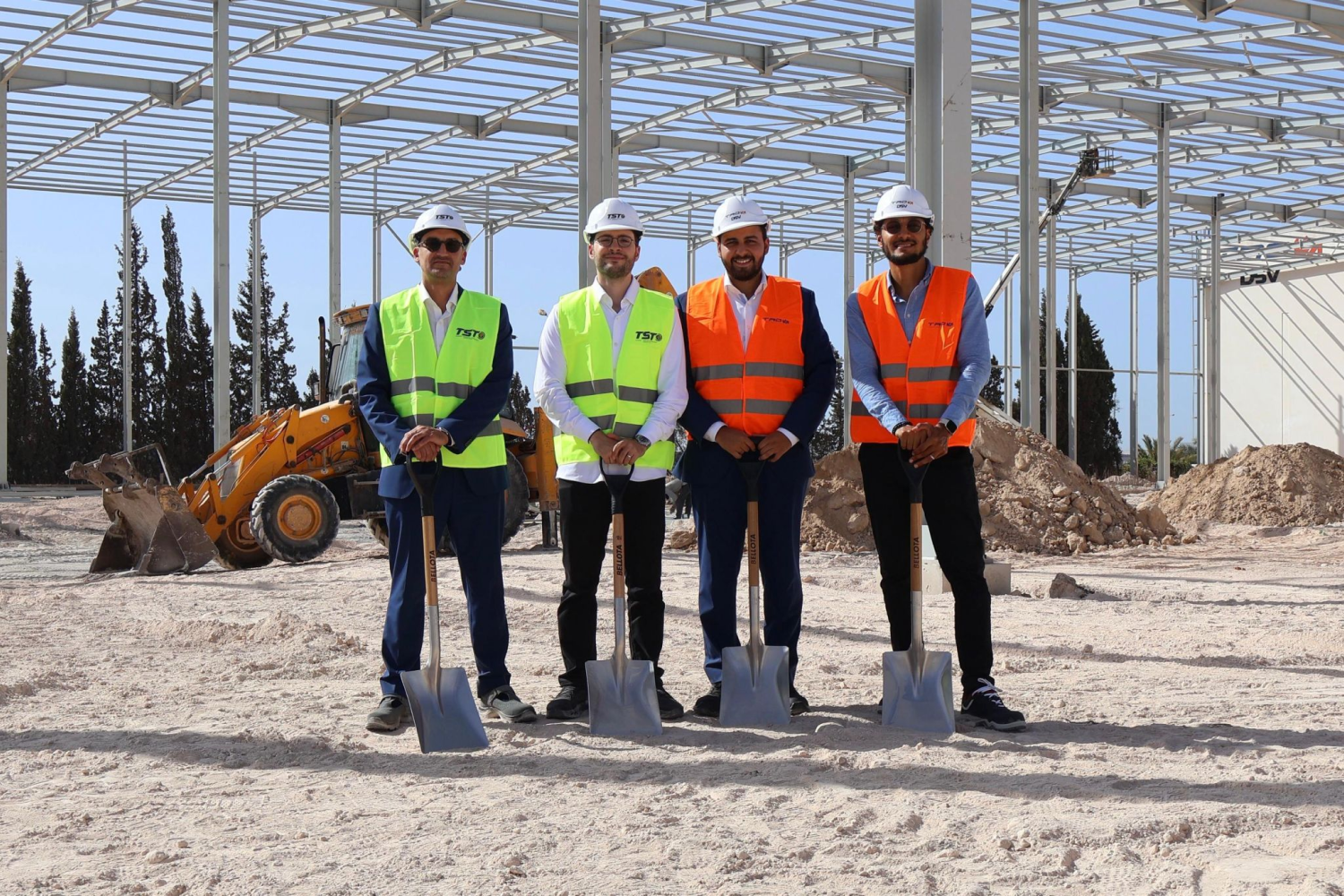
The Sapino expansion, completed in June 2026, increases the Group’s total logistics capacity to more than 45,000 m², distributed across our Sapino-Nouaceur and Mohammedia hubs. This milestone represents a significant step toward our objective of reaching 100,000 m² by 2030. It responds to the needs of industrial companies, particularly in the aerospace, automotive, and electronics sectors, which require logistics operators capable of supporting their growth without disrupting service continuity. Our expansion strategy is also aligned with the vision of His Majesty King Mohammed VI, may God assist Him, who has made Morocco’s logistics and industrial development a key driver of the Kingdom’s regional and continental influence.
Why is your Group strengthening its presence in hubs such as Nador West Med and Jorf Lasfar?
Industrial Morocco is no longer limited to the Casablanca–Tangier corridor. Nador is opening a strategic Mediterranean gateway, Jorf Lasfar is reinforcing its role as a major energy hub, and Dakhla is emerging as the next Atlantic gateway to Southern Morocco, where we are preparing our presence to deliver more integrated logistics solutions.
How is digital transformation reshaping your services and your relationship with industrial clients?
Digital transformation is a top priority for us. We are integrating artificial intelligence into our systems, particularly through predictive AI and route optimization technologies. This modernization is accompanied by significant investments in cybersecurity, which are essential for protecting our clients’ critical data flows. Our approach is also strongly aligned with Corporate Social Responsibility (CSR), with tools that enable carbon footprint monitoring across logistics flows, helping industrial companies advance their decarbonization strategies. Today, traceability, security, and sustainability form the three key pillars expected by our clients across the pharmaceutical, automotive, and aerospace supply chains.